

Preceptor Support for Undergraduate
Preceptor Support Course
Welcome to the Baylor University Nursing Preceptor Support Course. This course is funded by The Health Education Coordinating Board (THECB) and the Nursing and Allied Health-Related Education Grant Program (NAHP) and developed by Baylor University Louise Herrington School of Nursing. Project directors: Dr. Brandy Brown and Dr. Alona Angosta. This course seeks to equip preceptors with the valuable skills and documentation to showcase their skills effectively. This comprehensive course provides an in-depth understanding of the preceptor role highlighting essential competencies and best practices in mentoring and training nursing students.
Purpose
This Preceptor Support Course is developed to support Registered Nurses in their role of Preceptor for undergraduate nursing students. This initiative aims to improve role satisfaction and retention of nurses and nursing students in the clinical setting. Benefits include:
- Greater job satisfaction
- Greater retention in nursing
- Meaningful mentoring relationships
- Increased feeling of belonging among nursing preceptors and students
How this Program will Help Preceptors
This course is provided to clinical preceptors across Texas to build confidence and competence in this teaching role.
Modules and Descriptions
This resource course uses modules to organize content. Within each module there are resources and activities to complete. At the end of the course there will be a quiz. When the quiz is completed with a score of 80% or higher, the learner will receive a course completion certificate via email.
If you have any questions or needs, please contact:
Brandy L. Brown DNP, APRN, GNP-BC
Clinical Associate Professor of Nursing
Louise Herrington School of Nursing
Baylor University
333 North Washington Ave, Dallas, TX 75246
Brandy_Brown@baylor.edu
This webpage and these online resources are funded by the Texas Higher Education Coordinating Board's Nursing Allied Health-Related Education Grant Program (NAHP). A resource for clinical preceptors developed by Baylor University's Louise Herrington School of Nursing. The contents are those of the authors and do not necessarily represent the official views of, nor an endorsement, by THECB.
Criteria for successful completion includes completion of post-test with a score of 80% or higher. Nursing contact hours will be awarded for completion of this activity until May 1, 2028.
This nursing continuing professional development activity was approved by the Georgia Nurses Association, an accredited approver by the American Nurses Credentialing Center’s Commission on Accreditation. To read full disclosure, click here.
Begin Course Here
Objectives
At the end of Module 1, the learner will be able to:
- Discuss the role of the preceptor as it relates to the Texas Board of Nursing rules.
- Identify characteristics of preceptors that promote success in the role.
- List benefits of being a nursing preceptor.
Precepting Nursing Students
You are an important part of the future of healthcare. Your relationships with nursing students impact the way that they will care for others as they enter the nursing role. The following video provides information on what a Preceptor is.
View Video - What is a Preceptor
Click Link - Texas Board of Nursing information on the Preceptor Role
View Video - Understanding the Role of Preceptor
Preceptor Expectations
Working with students is a way to impact the future of healthcare. As you have learned, the Texas Board of Nursing has provided guidelines for how preceptors, faculty, healthcare facility and educational organization collaborate and role expectations. You can go back to the previous video interactive activity if you would like to review the expectations outlined for all roles. Below are the expectations for the preceptor to help the preceptor understand how this role functions within the Texas Board of Nursing guidelines.
Preceptor Expectations as outlined by the Texas Board of Nursing:
1. Participate in a preceptor orientation.
2. Function as a role model in the clinical setting.
3. Facilitate learning activities for no more than two students during the clinical
session.
4. Orient the student(s) to the clinical agency.
5. Guide, facilitate, supervise, and monitor the student in achieving the clinical
objectives. Supervise the student's performance of skills and other nursing
activities to assure safe practice.
6. Collaborate with faculty to review the progress of the student toward meeting
clinical learning objectives.
7. Provide direct feedback to the student regarding clinical performance.
8. Contact the faculty if assistance is needed or if any problem with student
performance occurs.
9. Collaborate with the student and faculty to formulate a clinical schedule.
10. Discuss with faculty/student arrangements for appropriate coverage for
supervision of the student should the preceptor be absent.
11. Give feedback to the nursing program regarding clinical experiences for students
and suggestions for program development.
Reference:
Texas Board of Nursing (2020). 3.8.3.a. EDUCATION GUIDELINE: Precepted Clinical Learning Experiences. https://www.bon.texas.gov/pdfs/education_pdfs/education_nursing_guidelines/3.8Clinical_Learning_Experiences/3-8-3-a.pdf
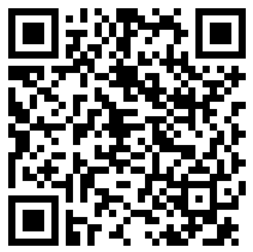
Please complete the following pre-program survey. This information will be used in gathering information about preceptors across Texas.
Scan the QR code or click the link below to access. If you have difficulty accessing the survey, here is the link: https://baylor.qualtrics.com/jfe/form/SV_b6Ztzw13A5Xn2LQ
Objectives
At the end of Module 2, the learner will be able to:
- Discuss civility and respect in nursing.
- Describe ways to promote a culture of caring in the clinical setting.
- Identify communication points to guide the learning experience.
- Explain communication strategies to use when a student is not engaging in the learning experience.
View Video - Civility in Nursing
View Video - Culture of Caring
View Video - Communication Key Points
Communication: Module References and Helpful Resources:
Corsera (2024). Important communication skills and how to improve them. https://www.coursera.org/articles/communication-skills
Hojat, M., Malo, V., Pohl, C. A., & Gonnolla, J. S. (2023). Clinical empathy: Definition, measurement, correlates, group differences, erosion, enhancement, and healthcare outcomes. Discover Health Systems 2(8). https://doi.org/10.1007/s44250-023-00020-2
International Council of Nurses (2021). The ICN Code of ethics for nurses. https://www.icn.ch/sites/default/files/2023-06/ICN_Code-of-Ethics_EN_Web.pdf
Jeffery, D. (2016). Empathy, sympathy and compassion in healthcare: Is there a problem? Is there a difference? Does it matter? Journal of the Royal Society of Medicine 109(12), p446 - 452. DOI: 10.1177/0141076816680120
Mayer, J. D., Salovey, P., & Caruso D. R. (2004). Emotional intelligence: Theory, findings, and implications. Psychological Inquiry 15(3), p197-215.
Ochs, J. H. (2022). Strategies for managing difficult dialogues with students. Nurse Educator 47(2), p74.
Peplau, H. (2004). Interpersonal relations in nursing. Springer Publishing Co., New York.
Princeton University (2024). Understanding your communication style. https://umatter.princeton.edu/respect/tools/communication-styles
Ronnerhag, M., Severinsson, E., Haruna, M., & Berggren, I. (2019). Journal of Advanced Nursing 75, p585-593.
Stanford Graduate School of Business (n.d.) How to approach sensitive subjects. https://tlhub.stanford.edu/docs/handling-sensitive-topics/
Stievano, A. (2024). Give dignity and respect to others in our interconnected society: Considerations for transcultural leadership. Journal of Transcultural Nursing, DOI: 10.1177/10436596241246978.
Yu, C. C., Tan, L., Le, M. K., Tang, B., Liaw, S. Y., Tierney, T., Ho, Y. Y., Lim, B. E. E., Lim, D., Ng, R., Chia, S. C., & Low, J. A. (2022). The development of empathy in the healthcare setting: A qualitative approach. BMC Medical Education. https://doi.org/10.1186/s12909-022-03312-y
For added information and more NPD credits, here are some resources from TNA!
*Note: this is an extra resource and is not required to complete this preceptor support course.
Texas Nurses Association Webinars available: $25 each
Information and Registration Links below:
- Part 1 - Being Effective (1 Contact Hour): https://tna.ce21.com/item/preceptor-competency-series-part-1-effective-605083
- Part 2 - Difficult Situations (0.78 Contact Hour): https://tna.ce21.com/item/preceptor-competency-series-part-2-difficult-situations-602209
- Part 3 - Meaningful Evaluation (1 Contact Hour): https://tna.ce21.com/item/preceptor-competency-series-part-3-meaningful-evaluation-605119
- These are available to register and complete on demand at your convenience. $25 for each webinar and Contact Hours provided!
View Video - Communication Competencies for the Preceptor Role
Objectives
At the end of Module 3, the learner will be able to:
- Explore teaching strategies to use at the bedside.
- Discuss best practices to address difficult conversations.
- Explain how to effectively provide good feedback to promote the growth of the student.
(Burgess et al (2020).
Key tips for teaching in the clinical setting
View Video - Difficult Conversations
View Video - Guide for Teaching at the Bedside
Setting SMART Goals
SMART goals can help to set a direction for improvement when working with students.
This Teaching Tip from the journal, Nurse Educator, shares how SMART goals have been beneficial in undergraduate clinical experiences.
Reference: Manderscheid, A. (2024). Leveraging Student-Centered Learning Through SMART Goals Within Undergraduate Clinical Experiences. Nurse Educator, 49(2), 66–66. https://doi.org/10.1097/NNE.0000000000001352
Objectives
At the end of Module 4, the learner will be able to:
- Discuss the importance of self-care.
- Identify multiple strategies to promote wellness.
- Develop a personal plan for self-care.
View Video - Self-Care for Wellness
Congratulations! Next Steps
Congratulations on your completion of the Baylor University Preceptor Support Course!!
You can now access the following quiz to complete the course and receive your completion certificate. This certificate is your documentation that you have demonstrated your competency in the 4 areas of:
- What is a Preceptor
- Communication Competencies
- Teaching/Learning Strategies
- Self-Care for Wellness
Quiz Link: https://forms.office.com/r/Ww1p09t2B4
If you score 80% or higher, you will receive your compliance certificate via email.
This nursing continuing professional development activity was approved by the Georgia Nurses Association, an accredited approver by the American Nurses Credentialing Center’s Commission on Accreditation. To read full disclosure, click here.
If you have any questions or needs, please contact:
Brandy L. Brown DNP, APRN, GNP-BC
Clinical Associate Professor of Nursing
Louise Herrington School of Nursing
Baylor University
333 North Washington Ave, Dallas, TX 75246